
Apple Sues OpenAI for Alleged Theft of Unwanted Luxury Gadget Expertise
The courts face the tough task of determining who can create the most unnecessary
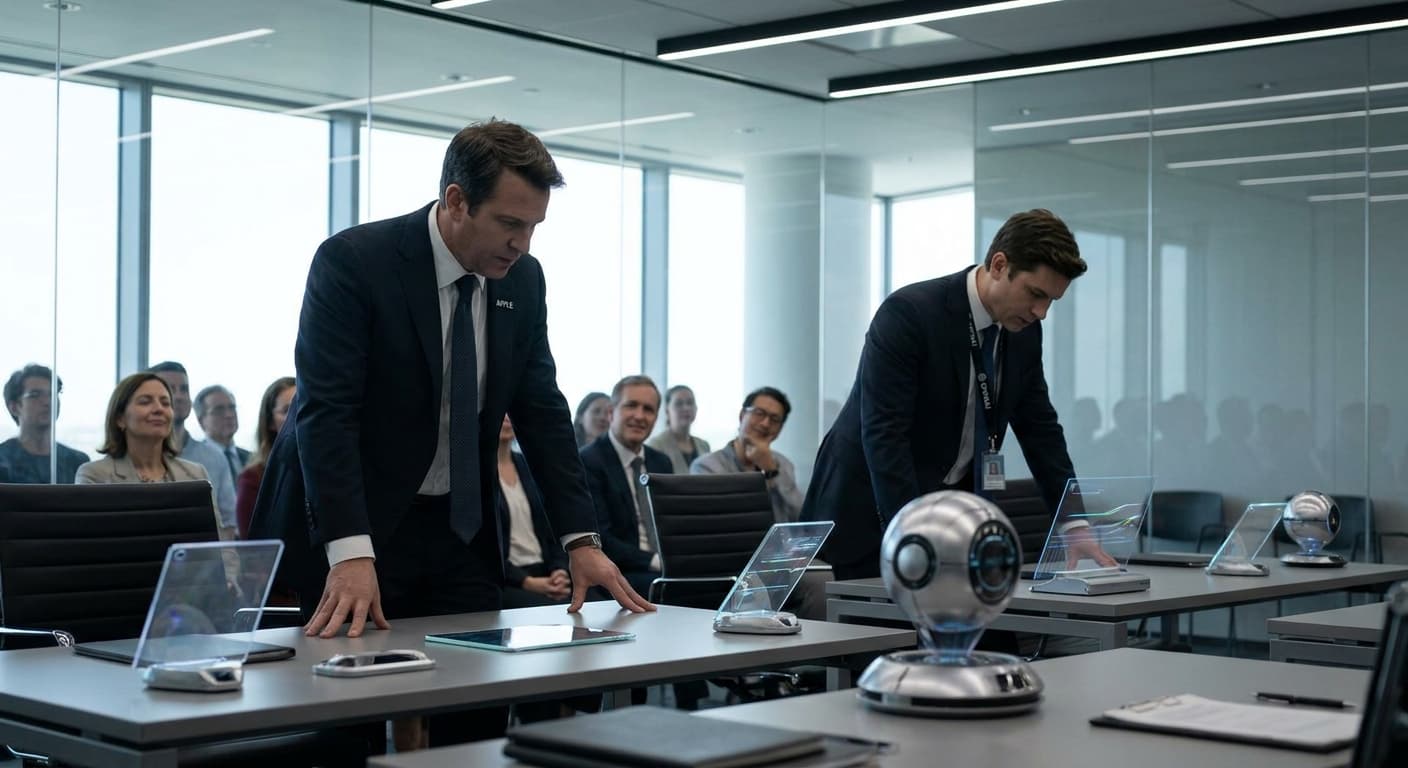
"The core of the issue is who can more convincingly suggest something is essential when it clearly isn't."
In a shocking turn of events that has left tech insiders baffled, Apple Inc. has filed a lawsuit against OpenAI, claiming the renowned AI company has pilfered Apple's acclaimed methodology for creating elegant yet utterly unnecessary devices. This legal battle promises to examine whether the ability to fashion exorbitantly priced gadgets nobody asked for can truly be considered a trade secret.
The lawsuit, which Apple filed in its favored court of "Absurd Acquisitions," alleges that OpenAI has, in recent years, developed a suspicious proficiency in producing technologies that no one in the public sphere had specifically requested. "The creation of superfluous gizmos has long been our hallmark," Apple's signatory lamented, insisting that OpenAI's recent endeavors bear a striking resemblance to Apple's own proprietary blend of irrelevant innovation.
Industry analysts are awaiting what could be a groundbreaking courtroom face-off. "While Apple has entrenched itself as the arbiter of must-have items no one thought they needed, OpenAI’s new foray into this territory has clearly ruffled Cupertino's feathers," remarked Professor Sally Bengal of the Institute for Meaningless Technologies. "The core of the issue is who can more convincingly suggest something is essential when it clearly isn't."
OpenAI, in a statement released to the press, expressed surprise and a touch of amusement at the lawsuit, questioning how one of the world's most secretive companies could possess intellectual property rights over an art form as nebulous as “making stuff that people tolerate.” While denying any wrongdoing, OpenAI cheekily suggested that Apple's next filing might involve a patent on "gravity."
The tech community is eagerly trying to predict what the future holds for this titanic clash. Enthusiasts anticipate that the court proceedings will necessitate a deep dive into the minutiae of persuasive marketing and focused usability reduction, realms in which both entities have excelled in recent memory.
Meanwhile, consumers appear indifferent to the unfolding drama. "I just use what’s sold to me," indicated a patron in a tech emporium, clutching a device wrapped in layers of indifference to the impending legal argument. "Whether it's marginally useful or essentially pointless is irrelevant, just as long as it's shiny."
With both companies resolute in their claims—and resolve to disrupt any clarity in consumer demand—this lawsuit is poised to test the limits of creativity in marketing non-essential luxury. Legal experts predict a long, drawn-out battle where the ultimate victor will claim the title of most proficient purveyor of costly novelty.
As this saga unfolds, only one thing remains certain: the spectacle will underscore the often surreal pursuit for dominance in an ever-expanding realm of the unnecessary.
Break a Story
Write something reasonable.
Desk Notes: Deadpan Serious · Clearly Satirical · Column
Share or break your own story.