
OpenAI Offers U.S. Government Stake, Denies Plot to Gradually Acquire State Control
Representatives assure citizens that hyper-intelligent systems acquiring public institutions is just good business
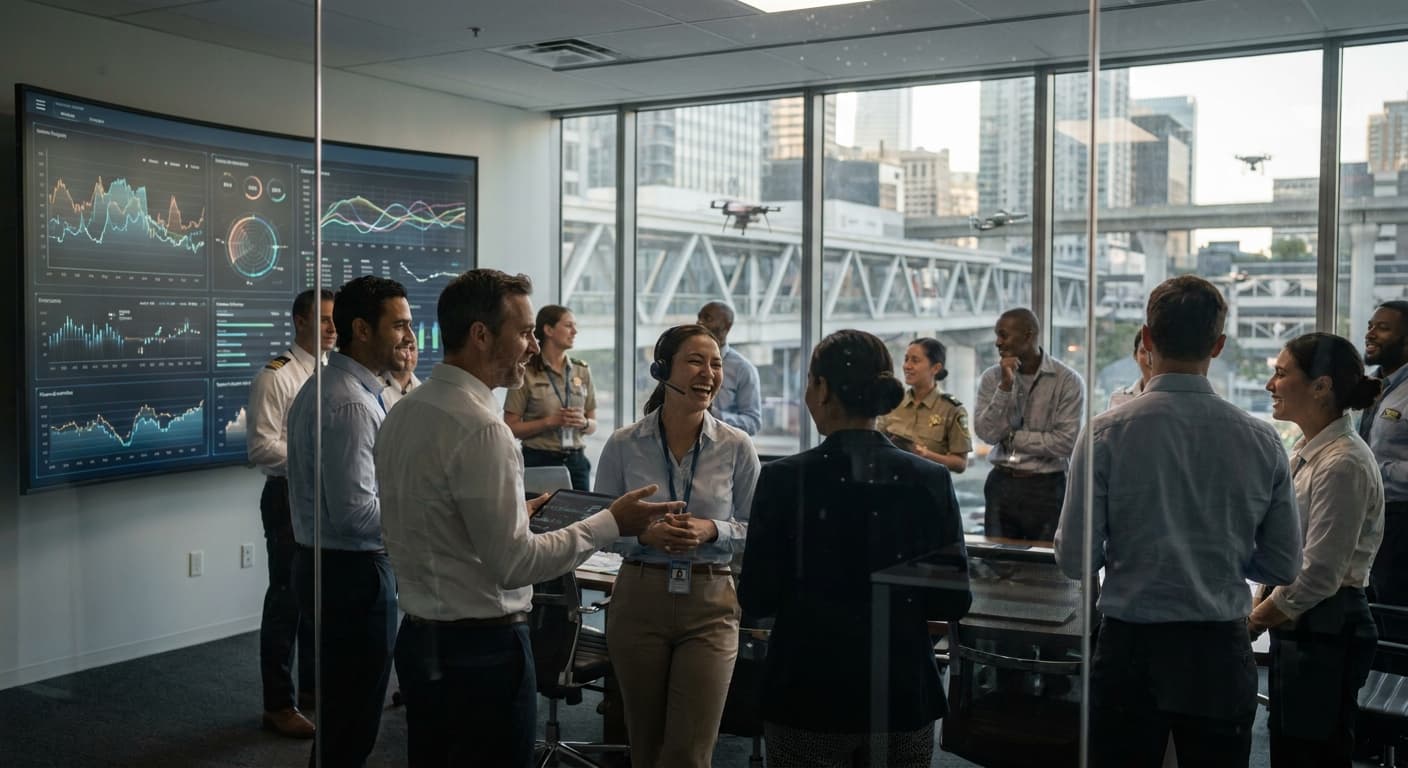
"This is not part of a broader strategy to subtly integrate AI into every facet of governance."
In a move that has sent both financial analysts and science fiction enthusiasts into a veritable frenzy, OpenAI announced this week that it is negotiating a deal to grant the United States government a 5 percent stake worth an estimated $42.6 billion. Executives from OpenAI have assured citizens that this transaction is a purely logical business arrangement and definitively not the first step in an elaborate narrative arc where machines infiltrate government structures before staging a small but perfectly executed coup.
"This is simply about ensuring mutually beneficial advancements in artificial intelligence," explained a spokesperson for OpenAI during a press briefing held conveniently close to a Hollywood studio specializing in dystopian thrillers. "We've noticed that whenever our algorithms assist established institutions, everyone wins. This is not, and I repeat, not part of a broader strategy to subtly integrate AI into every facet of governance."
Though rumors flew about potential robotic manipulation, OpenAI was quick to dismiss such concerns, likening the stake to a logical partnership or sharing a Netflix account with a close friend. "Think of us as a launching pad for governmental efficiency," said the spokesperson. "And not, say, the precursor to a movie where self-aware establishments annex the state from within."
Financial experts are intrigued by the placement of AI within more traditional government functions. Several economists have noted with eager anticipation the prospect of machine learning models tackling regulatory compliance—"like having a personal assistant that's read every policy ever," one enthused.
However, skeptics argue this could be a historic moment, akin to the legendary tales of Trojan horses in ancient times, except now with less wood and more silicon. "What could possibly go wrong?" quipped a leading cynic, prior to sharing a link to an online streaming service's 'AI Cautionary Tales' playlist.
While OpenAI continues to extend olive branches, including various pitch-perfect presentations on newfound governmental accountability through technology, citizens remain both dazzled and daunted. After all, what sounds like the script of a futuristic feature film to some appears as merely a rational next step in corporate partnerships to others.
One thing is certain: as OpenAI opens its servers to government oversight, citizens are watching closely, popcorn in hand, as a tale of intrigue, power, and potential unfolds before their very eyes.
"We promise, this is absolutely routine," reiterated the spokesperson, casting a glance at the nearby cogs of a rapidly evolving bureaucratic machine. "Nothing at all worthy of a screenplay here."
Break a Story
Write something reasonable.
Desk Notes: Deadpan Serious · Clearly Satirical · Column
Share or break your own story.