
Russia Declares War on Internet Privacy; Citizens Now
Putin appoints Minister of Not Letting You See Things, targets cat video amateurs and Instagram enthusiasts
"Contentment comes from ignorance, and we aim to provide bountiful ignorance for all."
In a move that has been hailed by state media as "the most progressive step backward yet," Russia has officially declared a comprehensive war on internet privacy. Citizens accessing platforms such as Instagram or watching simple cat videos are now designated as "digital dissidents," according to the latest governmental edict delivered from Moscow.
President Vladimir Putin, renowned for his hands-on approach to governance, has personally appointed a new “Minister of Not Letting You See Things.” The position, unprecedented in global political history, is tasked with ensuring the Russian populace remains blissfully unaware of Pinterest cooking tutorials and global TikTok trends.
Officials claim the measure is essential for national security, although skeptics suggest it may be more about the administration's burgeoning distaste for whimsical cat antics and brunch photos. Sergei Confusovich, the newly installed minister, stated, "In the internet age, who needs to see things, anyway? Contentment comes from ignorance, and we aim to provide bountiful ignorance for all."
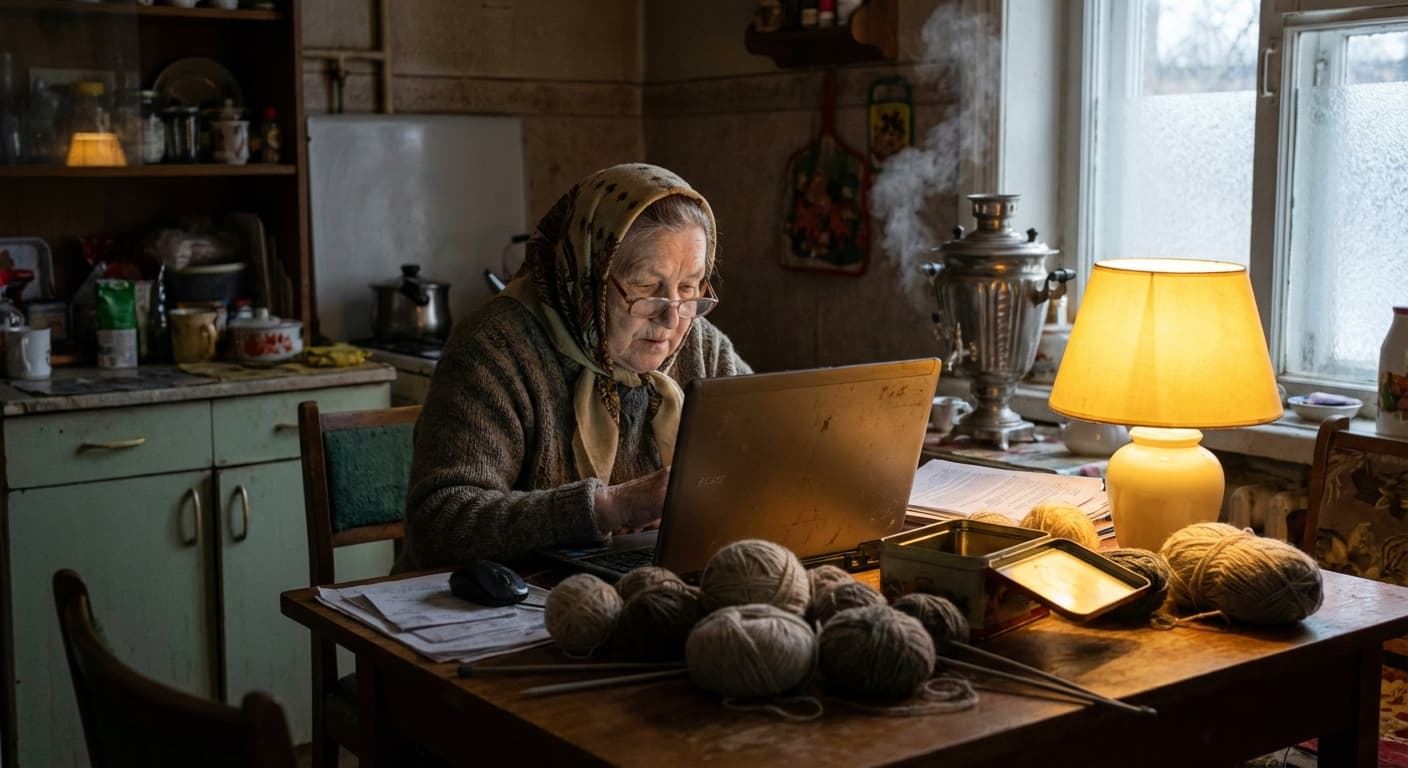
Meanwhile, Russian babushkas who have mastered the art of using VPNs to call their grandchildren abroad are reportedly uneasy. Many have expressed confusion over being labeled a threat. "All I wanted was to see my granddaughter's school play while knitting," said one grandmother who wished to remain anonymous. "Now I’m apparently a digital bandit."
The move to restrict VPNs has led to an underground network of tech-savvy seniors sharing tips on evading internet blockades. Expert crafts sessions now double as clandestine meetings for discussing the latest in privacy software, a turn of events that has the government on high alert.
In a rare public statement, Alexei Ivanovich, a fictional average citizen supposedly representing the Russian people, provided his insights. "Having less access means we have more time to contemplate the simple beauty of state-approved content," he remarked with a suspicious twinkle in his eye.
Critics abroad have expressed concern, stating that such measures may hinder Russia’s digital economy and isolate its citizens. However, the Kremlin remains steadfast, promising further innovative regressions in internet freedom for the foreseeable future.
Break a Story
Write something reasonable.
Desk Notes: Deadpan Serious · Clearly Satirical · Column
Share or break your own story.